The Finest Hotel in Kabul - Lyse Doucet
| 2 min read
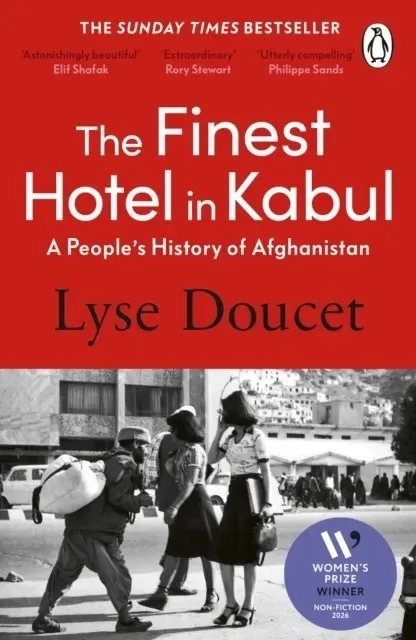
I really enjoyed this book, very well written, a real page turner.
Afghanistan is often remembered as the graveyard of empires . Yet in The Finest Hotel in Kabul, BBC Chief International Correspondent Lyse Doucet covers the country’s turbulent modern saga not through battlefields, but through a single, extraordinary vantage point that of the Inter-Continental Hotel.
When it opened in 1969 as Afghanistan’s first luxury retreat, the “Inter-Con” stood as a hilltop monument to cosmopolitan ambition. With its modernist lines, sweeping vistas over the capital, and polished hospitality, it quickly became a crossroads for monarchs, ambassadors, foreign correspondents, and world travellers.
The book traces five decades of national upheaval: the 1973 coup that toppled King Zahir Shah; the 1979 Soviet invasion and bitter nine-year occupation; the fractured warlord era of the early 1990s; the Taliban’s capture of the city in 1996; the post-9/11 American intervention—preceded by Osama bin Laden’s clandestine stay; and, finally, the Taliban’s return to power in 2021.
Yet the soul of Doucet’s account lies with the people who kept the lights on. The book spotlights the Afghan housekeepers, chefs, desk clerks, and managers who maintained a fragile sanctuary for war reporters, diplomats, and aid workers amidst chaos. The book moves easily between the physical reality of the building—its dining rooms, pool terrace, and bullet-scarred suites—and the intimate dramas unfolding inside.
At times, the narrative gathers the momentum of a Cold War espionage novel, punctuated by rocket attacks, siege conditions, and the harrowing realities of suicide bombings and militant rule. Yet life inside stubbornly refused to halt. The Inter-Con continued staging banquets, concerts, and high-stakes diplomacy—even hosting the historic Loya Jirga, the nation’s grand council of tribal elders.
Ultimately, The Finest Hotel in Kabul is a moving meditation on resilience and quiet dignity. Through decades of war, siege, and shifting regimes, the hotel emerges as a striking mirror of Afghanistan itself—caught in eternal cycles of grandeur and ruin, despair and endurance.